Introduction
Ask ten people in Jaipur whether to buy a plot or a flat, and you'll get ten different answers. Your uncle swears by land. Your colleague loves his society flat with a lift and a gym. Honestly, both are right in their own way.
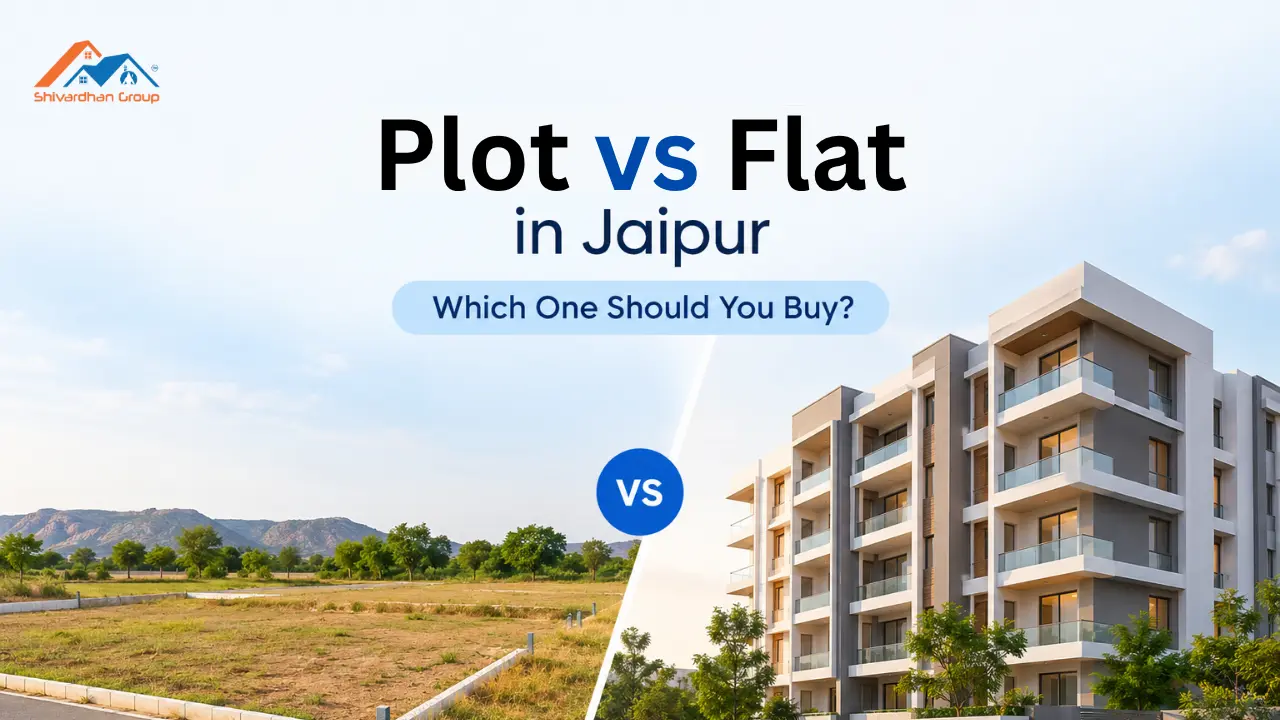
So the real question isn't which one is better. It's which one fits your budget, your family and your plans for the next 10 to 15 years. Let's go through it in plain words.
The Short Answer
If you want freedom, long-term growth and you're okay with waiting a bit before moving in, a plot is usually the smarter pick. If you want to move in soon and prefer security and amenities ready-made, a flat makes more sense. Now let's look at the details, so you can decide for yourself.
1. What You Pay Upfront
Flats in the main city are usually priced high because you're paying for the building, the location and the amenities together. Plots, especially in growing areas like the Tonk Road and Chaksu belt, often come with a lower entry price because you're buying land only.
But don't stop at the sticker price. A plot is not the final cost, because you still have to build a house on it. A flat, on the other hand, may come with extra charges like parking, a maintenance deposit and GST if it's still under construction (check the current rate before you decide).
So compare the total cost of owning a home, not just the first number you hear.
2. Which One Grows in Value?
Here's a simple way to think about it. Land tends to go up in value over time. Buildings get older and lose value. When you buy a flat, you own a tiny share of the land and a flat inside an ageing building. When you buy a plot, everything you paid for is land.
That's why many people see plots as the stronger long-term investment, especially along growth corridors where roads, highways and townships are coming up. Of course, nothing is guaranteed. Location, approvals, and how fast the area develops all matter a lot.
3. Freedom to Do What You Want
This is where plots win easily. On your own plot, you design the house the way you like. Want the kitchen in the right Vastu direction? Want a bigger courtyard, a shop at the front, or an extra floor for your son later? You can plan for all of it.
In a flat, you live by the society's rules. You can't change the layout much, and even small things like parking or a pet can turn into a committee discussion.
4. Security and Maintenance
Flats make life easy here. You get a guard, a lift, power backup and a common area, all sorted. The trade-off is a monthly maintenance bill that never really goes away.
A plot is different. If you leave it empty for years, it can attract encroachment or become a dumping spot. The fix is simple: put up a boundary wall or fence early, and visit now and then. Once you build, repairs and upkeep are your job. Plots inside a gated township take some of this tension away.
5. How Soon Can You Move In?
A ready-to-move flat can become your home in a few weeks. A plot needs planning, approvals for your house map, a contractor and construction time, which often takes a year or more.
If you're paying rent today and need a home quickly, this point alone might decide it for you.
6. Loans and Paperwork
Banks are generally comfortable with flats from well-known builders. Plot loans are possible too, but banks usually want an approved layout and a clear title, and the terms can differ from a regular home loan. You may also need a separate loan later for construction.
Tax benefits on home loans usually depend on having an actual house, so it's worth speaking to a CA before you plan anything.
7. Rental Income
A flat can start earning rent from day one. Jaipur has steady rental demand from students and working professionals, so a well-located flat can bring in regular income.
A plot earns nothing until you build on it. So if monthly income matters to you, a flat has the edge. If you're thinking long term, a plot's appreciation can make up for it.
8. Legal Risks
Both options have risks, just different ones.
With a plot, the big things to check are:
- Is the layout approved by JDA or the relevant authority?
- Is the land converted (90A) and in the right zone of the master plan?
- Is the title clear, with no mortgage or family dispute?
- Does the encumbrance certificate come out clean?
With a flat, check whether the project is registered under RERA, how reliable the builder is, and whether the completion date is realistic.
In both cases, ask for documents in writing and have a property lawyer read them before you pay any token amount.
So, Who Should Buy What?
A plot suits you if:
- You're thinking 10 years ahead, not 10 months.
- You want to build your own dream house.
- You're okay waiting before you move in.
- You want your money in something that is mostly land.
A flat suits you if:
- You need a home quickly.
- You want security, a lift and amenities without the hassle.
- You'd like rental income soon.
- You don't want to manage construction.
Can't Decide? Try the Middle Path
A lot of smart buyers do this: buy a plot now while prices are still reasonable, keep living in a rented or family home, and build in a few years when they're ready. This way you lock in the land, and you build when your savings and plans are in better shape.
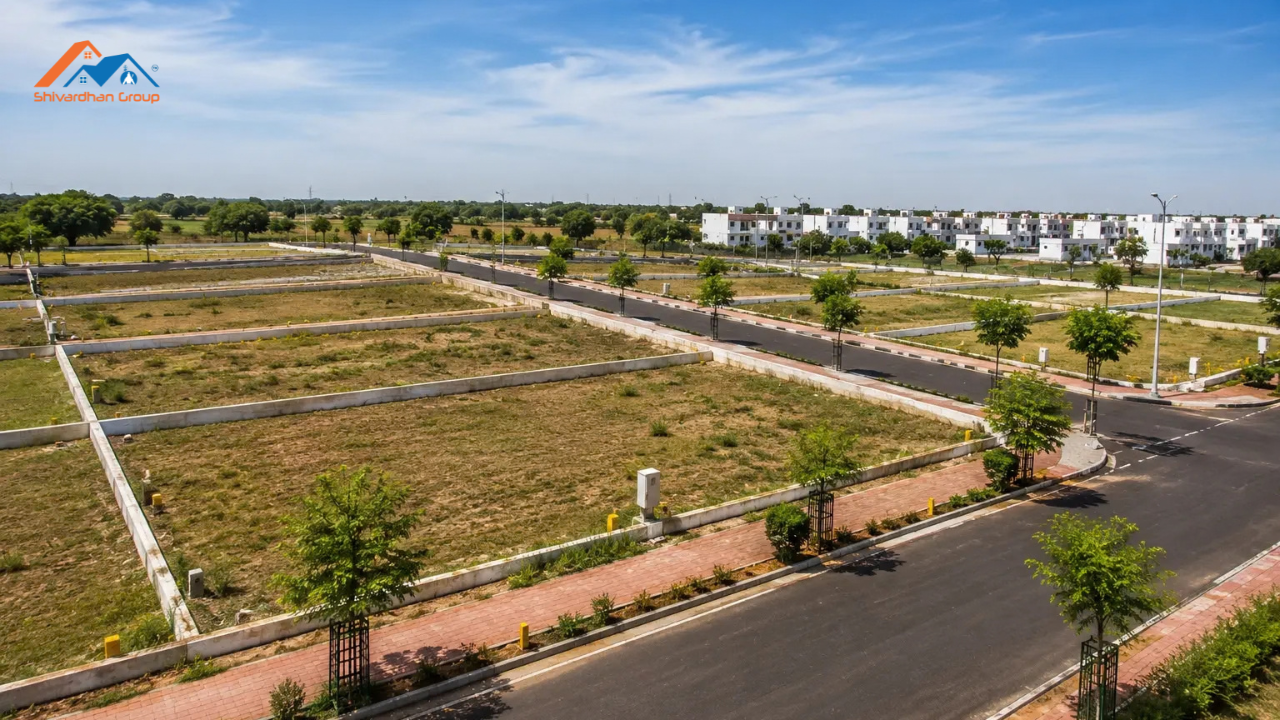
If you like the idea of security without giving up the plot, look at plots inside gated townships. You get a planned layout, wide roads and a safer environment, along with the freedom to build your own home.
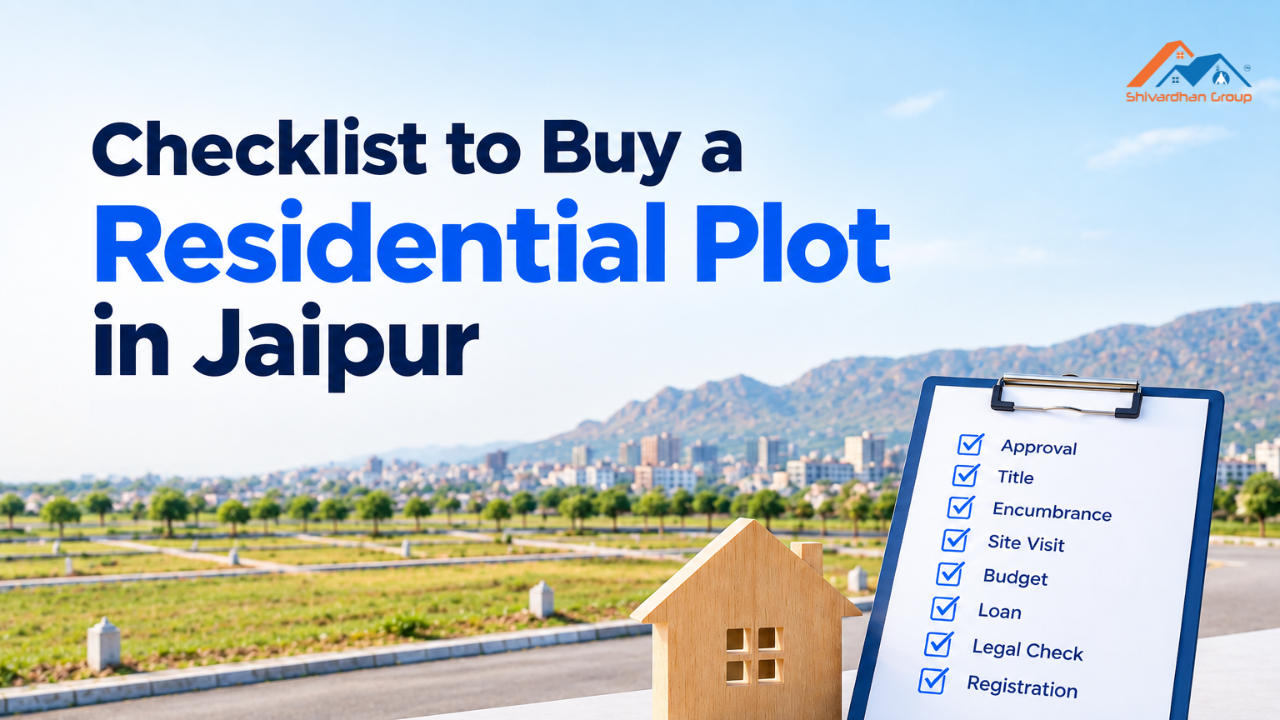
A Quick Checklist Before You Decide
- Write down your budget, including the cost of building or the monthly maintenance.
- Decide how soon you actually need to move in.
- Check approvals and title documents, whichever you choose.
- Visit the site more than once, morning and evening.
- Talk to your bank about loan eligibility early.
- Get a lawyer to look at the papers before you sign.