Introduction
Buying a plot in Jaipur feels exciting at first. You imagine your own house, a small garden, maybe a neem tree out front. Then you meet the brokers, the brochures and the "only two plots left" phone calls, and it gets murky fast.
A plot is a simple thing to buy, but it's one of the easier places to lose money. Unlike a flat, there's no finished building to judge it by. You're buying paperwork and potential. So before you fall for a location, run through this checklist. It won't make you a lawyer, but it will help you ask the questions that matter.
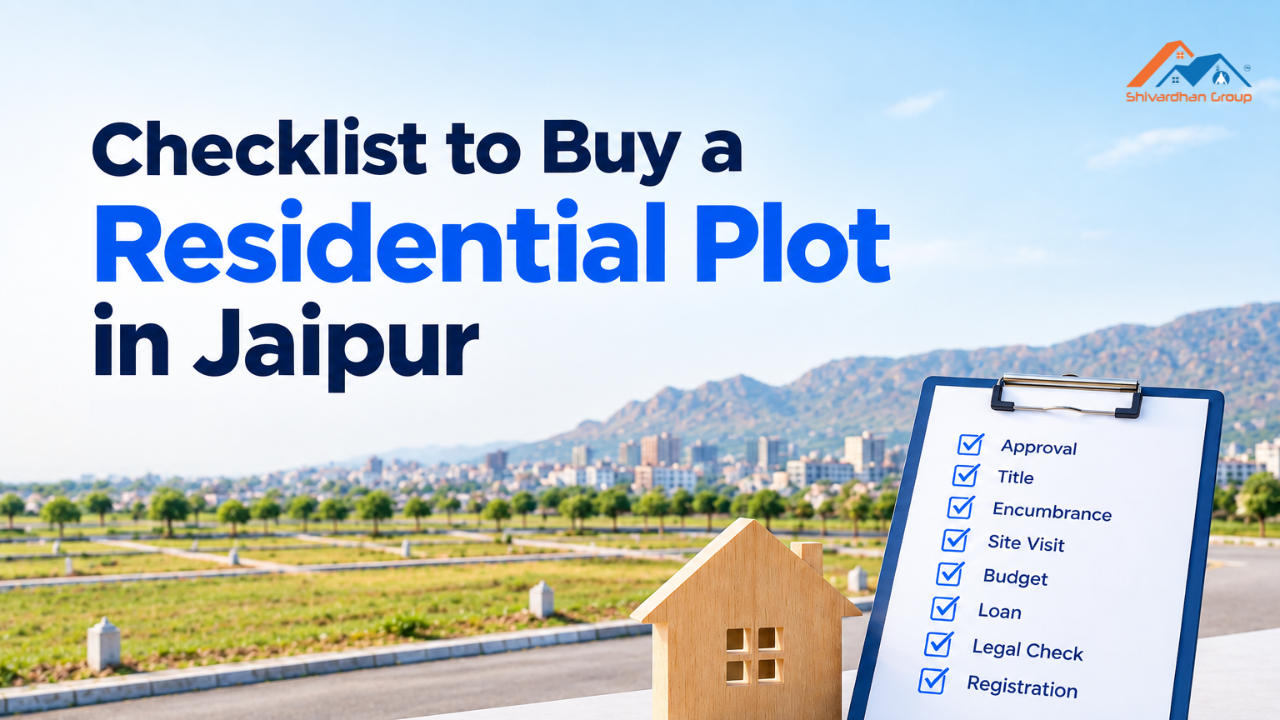
11 Things to Check Before Buying a Plot in Jaipur
1. Check the approval before the price
Ask one thing first: is this layout approved, and by whom? In Jaipur, that usually means the Jaipur Development Authority (JDA) or the relevant municipal body. Approved layouts get proper roads, sanctioned plans and a much smoother path when you build or sell later.
Don't take "approved" on trust. Ask for the approval letter and the sanctioned layout plan, and check the plot number on the plan. If the seller dodges the request or hands you a blurry photocopy, that tells you plenty.
2. Find out which master plan zone the land falls in
This one gets skipped a lot. The Jaipur master plan divides the region into zones, and your plot's zone decides what can legally be built on it. Land that's just outside the city, cheap, and "about to develop" may sit in a rural or agricultural zone where residential construction isn't allowed at all.
Check the zone on the master plan or ask a local lawyer to. It takes an afternoon and can save you years of regret.
3. Don't confuse conversion with approval
Many plots in Jaipur are sold on the strength of land conversion, often called 90A. Conversion changes agricultural land to non-agricultural use, and that's a genuine step. But it is not the same as a layout approved by the authority. Some colonies carry a conversion order and nothing else, and that can cause trouble with building permission, roads, and bank loans.
If someone says "it's converted, so it's fine," ask what else there is. Is there an approved layout as well?
4. Trace the ownership properly
You need to know that the person selling actually owns the land and has the right to sell it. Ask for the full chain of documents: the earlier sale deeds, the patta or lease deed, and the revenue records that show who holds the land now.
If the seller is a developer, check that they own the whole parcel or hold proper authority from the owners. If the seller is an individual, check for other co-owners or family members who might have a claim. A plot with a disputed share can turn into a court case long after you've paid.
5. Pull the encumbrance certificate
An encumbrance certificate shows whether the property is mortgaged, attached, or tied up in any registered transaction. Get one for as many years back as you can, ideally 30, from the Rajasthan registration portal (e-Panjiyan) or the sub-registrar's office.
If there's a mortgage on the land, the seller needs a written no-objection certificate from the lender before the sale goes through. No paperwork, no deal.
6. Understand which document you're actually getting
Depending on the plot, you might receive a JDA patta, a lease deed, or a freehold deed, and the terms are different for each. Ask the seller to explain what you'll receive and what it lets you do. If a plot is on lease, find out the lease terms and whether it can be converted to freehold, because that affects resale and loans.
If the answers are vague, take the papers to a lawyer before you pay any token amount.
7. Visit the site, more than once
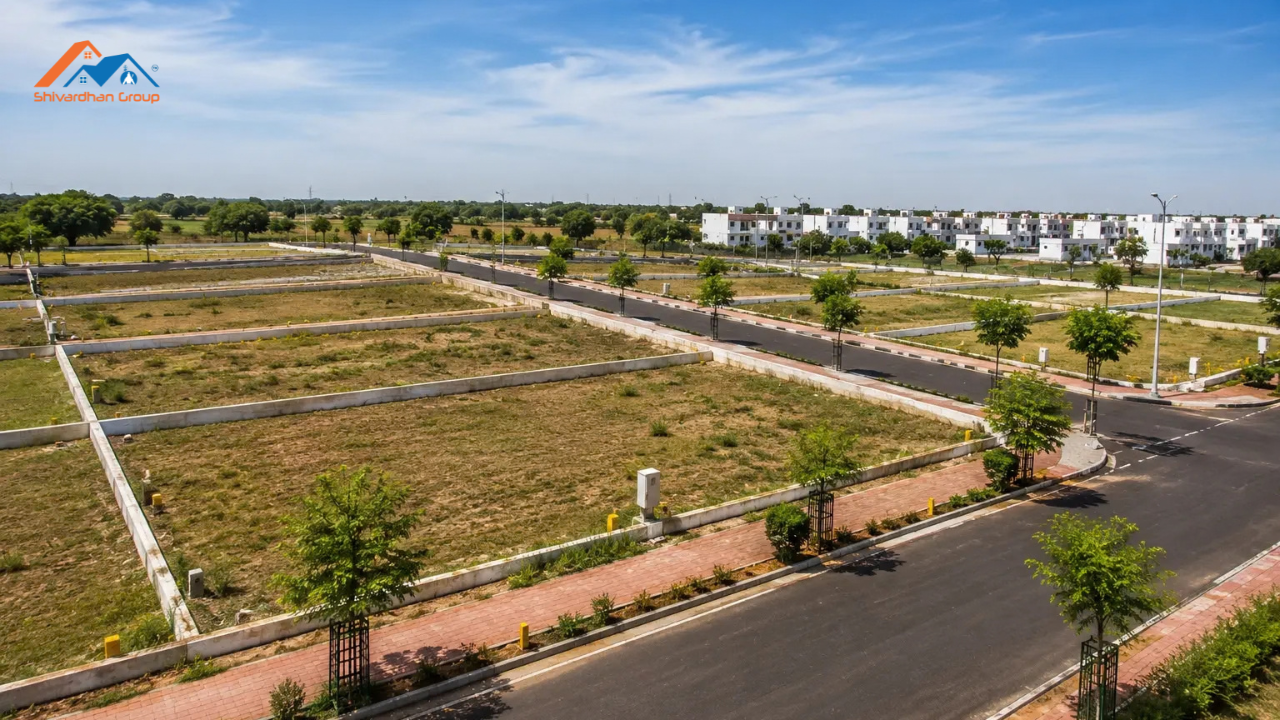
Brochures show wide roads and lush green parks. Reality can be a dusty lane and a plot that floods in the monsoon.
Go in the morning and again in the evening. Go after rain if you can. Look at these things:
- Is the road actually built, and how wide is it compared with the plan?
- Does the plot's size and shape match the layout map?
- Are there boundary markers, and does anyone else claim the land beside it?
- Is the land low-lying, and where does the water go?
- Are electricity poles, water lines and drainage in place, or only promised?
Talk to people already living nearby. They'll tell you things the sales team won't.
8. Budget for everything beyond the price
The sticker price is rarely the final number. Add stamp duty and registration charges, which differ by buyer category (women buyers often get a concession, so check the current rates). Sources quote slightly different totals, so use the official calculator or ask the sub-registrar's office before you finalise your budget.
Then add developer charges such as preferential location, development or maintenance fees, plus the cost of a boundary wall, electricity connection, and eventually construction. Ask the seller to list every charge in writing so nothing appears at the last minute.
9. Check whether you can get a loan
If you're planning to borrow, talk to the bank early. Banks usually lend against approved layouts with clear titles, and their legal teams are strict. If a bank refuses a plot, it's worth understanding why. It might be a fixable paperwork issue, or it might be a sign to walk away.
10. Bring in a lawyer and read the sale deed
A property lawyer costs little compared with a plot. Have them check the title, the approvals and the draft sale deed before you sign. Make sure the deed states the correct plot number, exact area, boundaries and payment terms, and that it matches what you were shown on site.
11. Finish the job after registration
Registering the sale deed isn't the final step. Get the mutation done so the records show your name, and keep the original documents in a safe place. Update property tax and utility records, and consider fencing or building soon, because a vacant plot left alone can attract encroachment.